As of October 22, 2026, the Village At Killingly in Dayville, Connecticut currently offers 116 approved low-income housing units. This affordable housing development features rental prices ranging from $355 to $714, designed to accommodate individuals who satisfy the income and other eligibility criteria.
*Rent estimates are calculated using Windham County Fair Market Rents for 2026 and assume the 30% extremely low income threshold is met. This means that the tenant will be responsible for 30% of the Fair Market Rent for this unit. It is recommended to contact the Housing Authority of the Town of Brooklyn for exact rent pricing.
The average low income housing property rent in Dayville, CT is $1,783.
The price range for a studio apartment in Dayville, CT is between $949 and $1,423. You can view more listings by clicking on the Load More button.
The price range for 1 bedroom apartment in Dayville, CT is between $955 and $1,433. You can view more listings by clicking on the Load More button.
The price range for 2 bedroom apartment in Dayville, CT is between $1,255 and $1,883. You can view more listings by clicking on the Load More button.
The price range for 3 bedroom apartment in Dayville, CT is between $1,537 and $2,305. You can view more listings by clicking on the Load More button.
The price range for 4 bedroom apartment in Dayville, CT is between $1,904 and $2,856. You can view more listings by clicking on the Load More button.
The prices were last updated on 21 October, 2026 for the properties in Dayville, CT
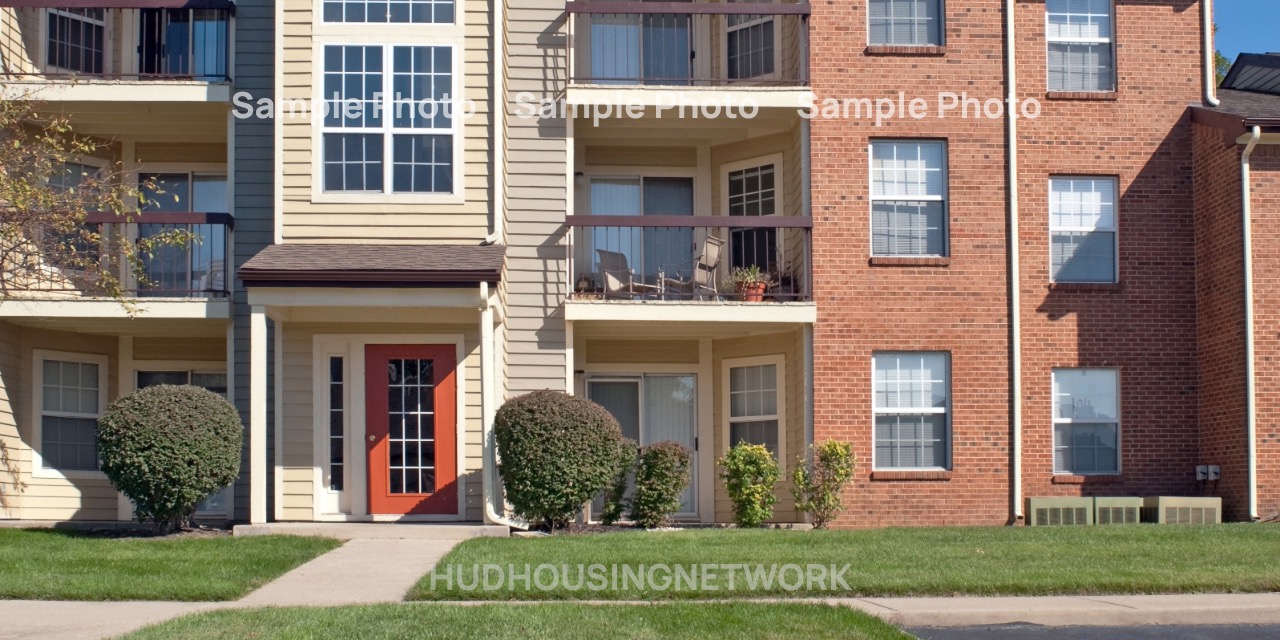
Primrose Village Has 28 Units Available
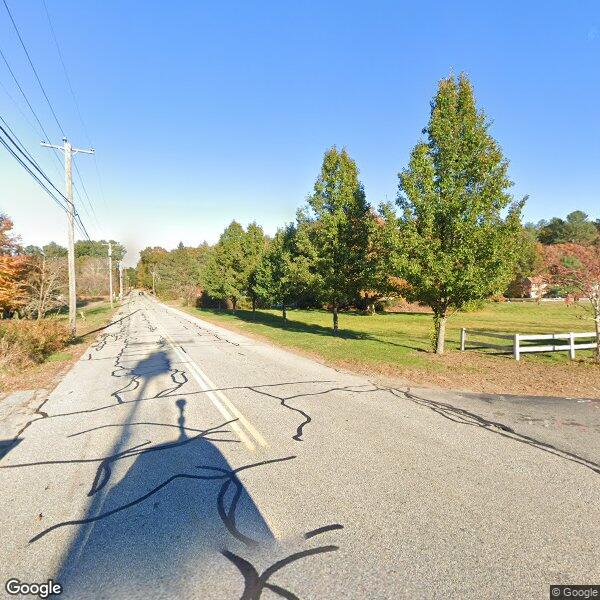
Village At Killingly Has 116 Units Available
Section 8 Waiting Lists Open October 2026
Learn how to find stable housing after incarceration. This guide will help you navigate your rights, apply for housing programs, and take the next step in rebuilding your life.
Find out if Section 8 housing checks credit and whether you need good credit to qualify.
A significant racial homeownership gap exists. HUD is taking steps to bridge it. Uncover resources, initiatives, and insights on equitable housing opportunities.
Home prices in 2023 make ownership difficult. Uncover factors driving the surge, the impact on buyers, and what the future might hold for the housing market.
Learn how recent MHCC appointments impact affordable home construction and enhance HUD manufactured housing standards.


