As of October 22, 2026, Troy, North Carolina has 4 Affordable Housing complexes. There are 90 section 8 apartments, 66 public housing buildings. There are 3 Housing Authorities that serve the area and their contact information can be found below.
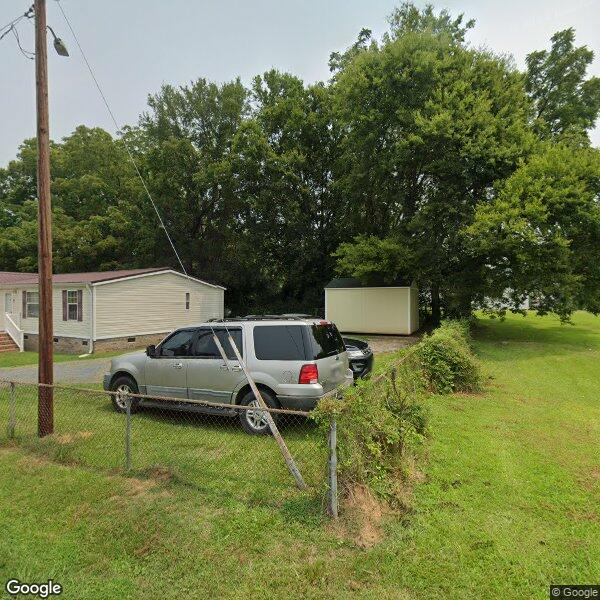
The Project Has 66 Total Buildings. The Units Consists Of Both Public Housing And Section 8 Apartment Units.
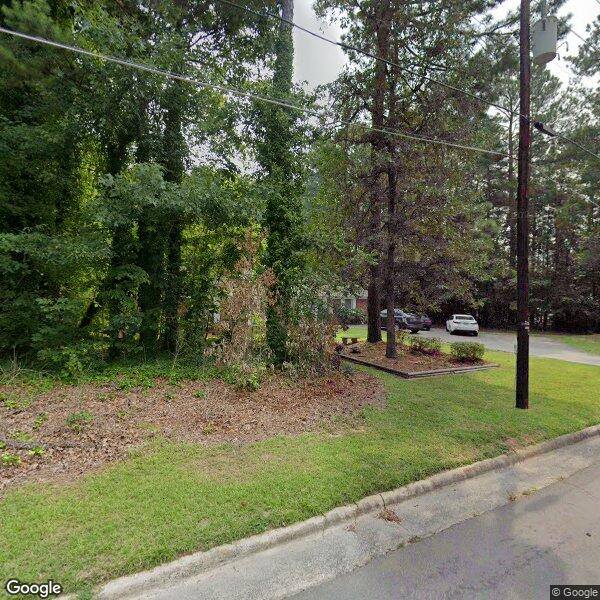
Arc/Hds Montgomery County Group Home Has 6 Units Available
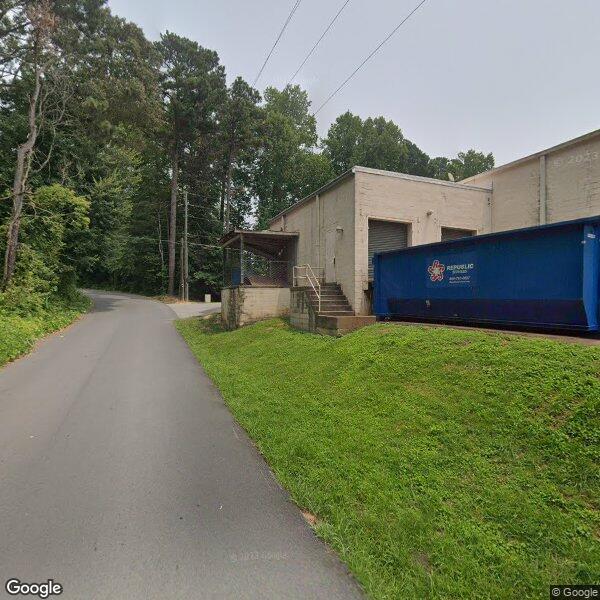
Rocky Knoll Apartments Has 44 Units Available
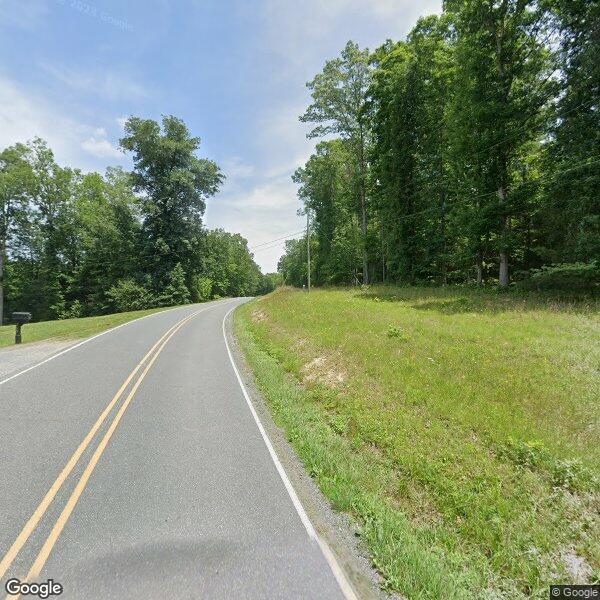
Wesleyan Homes of Troy Has 40 Units Available
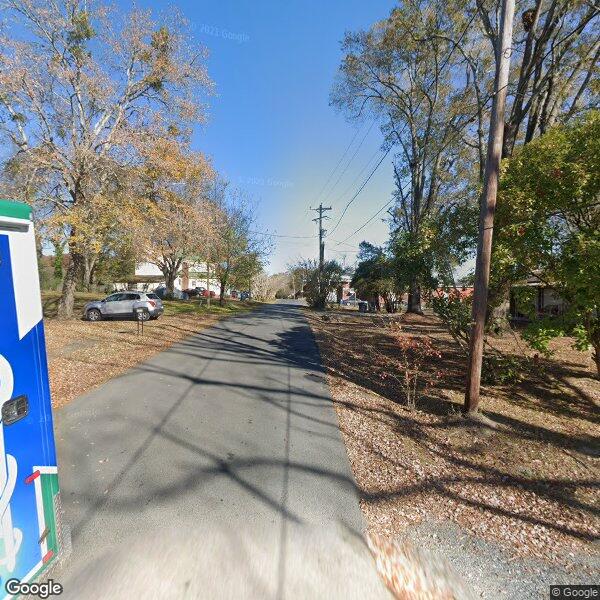
There Are Currently 30 Units Available Under Management by the Mount Gilead Housing Author...
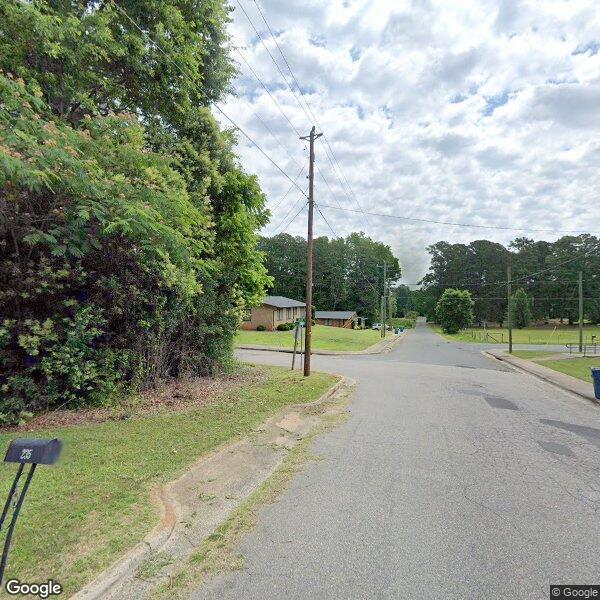
There Are Currently 26 Units Available Under Management by the Star Housing Authority. The...
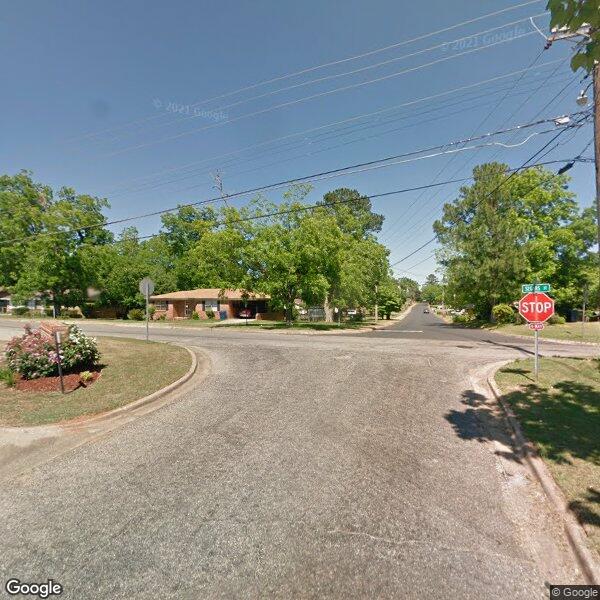
There Are Currently 82 Units Available Under Management by the Troy Housing Authority. The...
The Troy Housing Authority will pay about 70% of a tenants rent with the tenant being responsible for the other 30%.


Income Limits are maximum income limits allowed based on household size. The following limits were established by HUD for low income households to be eligible for housing assistance in Montgomery County for 2026.
The best apartments in Troy, NC are Wesleyan Homes of Troy , Rocky Knoll Apartments , Arc/Hds Montgomery County Group Home and Troy and
The average property rent in Troy, NC is $1,065.
The price range for a studio apartment in Troy, NC is between $553 and $829. You can view more listings by clicking on the Load More button.
The price range for 1 bedroom apartment in Troy, NC is between $556 and $834. You can view more listings by clicking on the Load More button.
The price range for 2 bedroom apartment in Troy, NC is between $685 and $1,027. You can view more listings by clicking on the Load More button.
The price range for 3 bedroom apartment in Troy, NC is between $871 and $1,307. You can view more listings by clicking on the Load More button.
The price range for 4 bedroom apartment in Troy, NC is between $1,151 and $1,727. You can view more listings by clicking on the Load More button.
The prices were last updated on 21 October, 2026 for the properties in Troy, NC
Section 8 Waiting Lists Open October 2026
What is a project-based voucher, and how can you benefit from it? Use our guide to learn all about this federal program.
Section 811 offers housing assistance and supportive services to people with disabilities. This guide helps unpack the details.
The HUD-VASH program is one significant way the U.S. Government aids homeless veterans. Learn more in this comprehensive guide.


